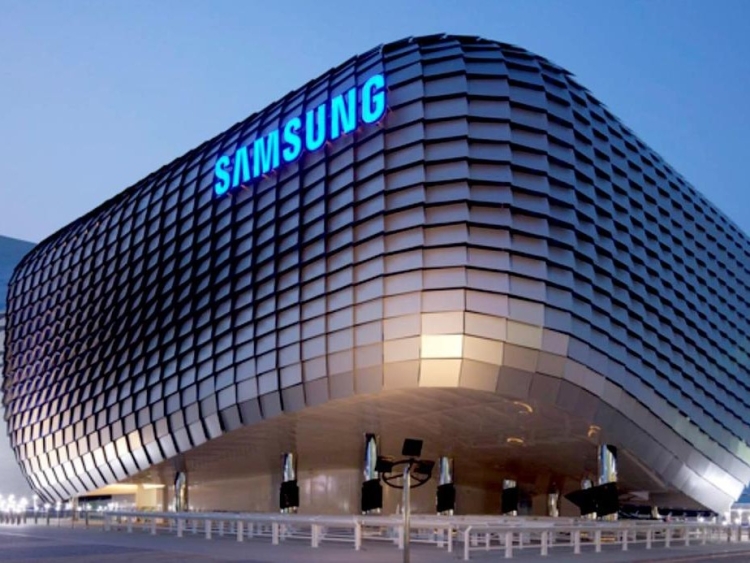
Samsung Electronics foundry watchers reckon the Taylor, Texas fab could land more North American work from AMD and Google as the US and Taiwan treat leading-edge chips like security kit.
Samsung Electronics chairman Lee Jae-yong has reportedly met with big tech figures, including Tesla chief executive Elon Musk and AMD chief executive Lisa Su, to discuss foundry cooperation.
In July 2025, Samsung signed a 23 trillion won foundry supply deal with Tesla (about €13.2bn), covering production of Tesla’s next-generation AI6 chip at the Taylor plant.
On the trip, Lee is said to have discussed next-generation AI chips, stabilising supply and making better use of US production kit with Musk.
Alongside Tesla, Samsung has won work tied to the Fruity Cargo Cult Apple’s image sensors, China’s MicroBT and Canaan mining ASICs, plus its own Exynos 2600, with more orders being chased.
The outfit is said to be running sample tests of its second-generation 2nm SF2P process with AMD, while Google Tensor Processing Unit staff have visited Taylor to talk volumes.
A semiconductor industry official said: “I understand that the Google TPU team came to the Samsung Taylor Fab and talked about the quantity that can be produced and how much it can be used”.
TPU is Google’s in-house data centre chip, and supply could jump as it’s pitched as a rival to Nvidia’s GPU line-up, with talk that Google wants to sell it beyond its own walls.
Geopolitics and capacity constraints are doing Samsung a solid, as Tesla, AMD and Google look for options beyond TSMC.
The US wants advanced semiconductors made onshore, but Taiwan is tightening the leash on what can be shipped out.
Taiwan National Science and Technology Commission deputy director Lin Pa-jung said that “the government reviews ‘the National Core Strategic Technology List’ every year and clearly applies ‘N-2 principle’ to prevent technology leakage”.
Lin added: “We strictly manage the relevant personnel participating in key technology items, and the Ministry of Economy restricts product and technology exports based on this list. Most of TSMC's research and development personnel still stay in Taiwan and comply with government regulations."
That N-2 rule means overseas fabs are intended to stay at least two generations behind the best nodes running in Taiwan, with extra scrutiny if future US investment clears certain thresholds.
TSMC plans two Arizona plants and has talked about mass-producing 3nm there in 2027, but with 2nm now the leading edge, the timeline still looks like it will lag by design.
Samsung, by contrast, is expected to start 2nm mass production at Taylor in 2026, making it the only outfit in the US with a shot at the best process on offer.
TSMC held a 71 per cent share of the global foundry market in the third quarter of 2025, rising from 61.2 per cent in the fourth quarter of 2023, but customers keep piling in faster than wafers can appear.
Job’s Mob is said to be taking nearly half of early 2nm volume, and Nvidia is expected to start using 2nm in 2027, leaving Qualcomm, AMD and Google to look at Samsung’s order book and do the maths.